
Heatwaves
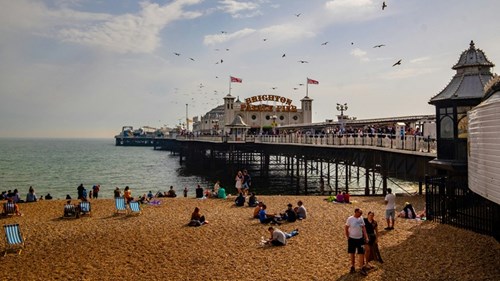
In periods of hot weather, increased numbers of people across the UK look to the water and water-based activities as a way to cool down, relax and have fun. However, whilst the air temperature may be hot, water temperatures can remain dangerously cold.
Many inland bodies of water in England remain below 16°C year-round, the temperature when water is considered hazardous for cold water shock. Cold water shock is the body’s involuntary response to sudden immersion in cold water, causing gasping, rapid breathing and loss of swimming ability, all of which can sadly lead to drowning.
Reservoirs, rivers, canals and lakes also present other natural and man-made hazards, including strong currents, sudden drop-offs and rocks, which can trap or injure swimmers. Some bodies of water, such as weirs and quarry lakes, contain heavy machinery and are therefore not safe for water-based activities. Water currents at weirs form 'stoppers', which are very strong currents that can drag you under the water and hold you there.
In 2024, independent research projects from the Royal Life Saving Society UK (RLSS UK) and Bournemouth University both concluded that significantly more people lose their lives to accidental drowning in the UK during periods of hot weather.
Tips for staying safe in heatwaves
If you're spending time on, in or near the water during hot weather, head to a supervised location such as an outdoor pool or lifeguarded beach. If you choose visit somewhere without lifeguards, stop and think before entering the water to assess the dangers, and always stay with other people.
If you find yourself in trouble in the water, Float To Live:
- Tilt your head back with your ears under the water
- Try to relax and control your breathing
- Move your arms and legs for stability
- Don’t worry if your legs sink, we all float differently
- Once the initial shock has passed, shout for help or swim to safety if you can
If you see someone else in trouble in the water, remember Phone Float Throw:
- Phone 999 to get help
- Tell them to stay calm and float on their back
- Throw them rescue equipment to help until the emergency services arrive
More information
Find comprehensive summer water safety advice on the RoSPA website.
For more information on how to find a lifeguarded beach, visit the RNLI website.
For open water swimming safety advice and guidance from the Royal Life Saving Society UK.
For information on how to stay safe around waterways like canals, visit advice from the Canal and River Trust.